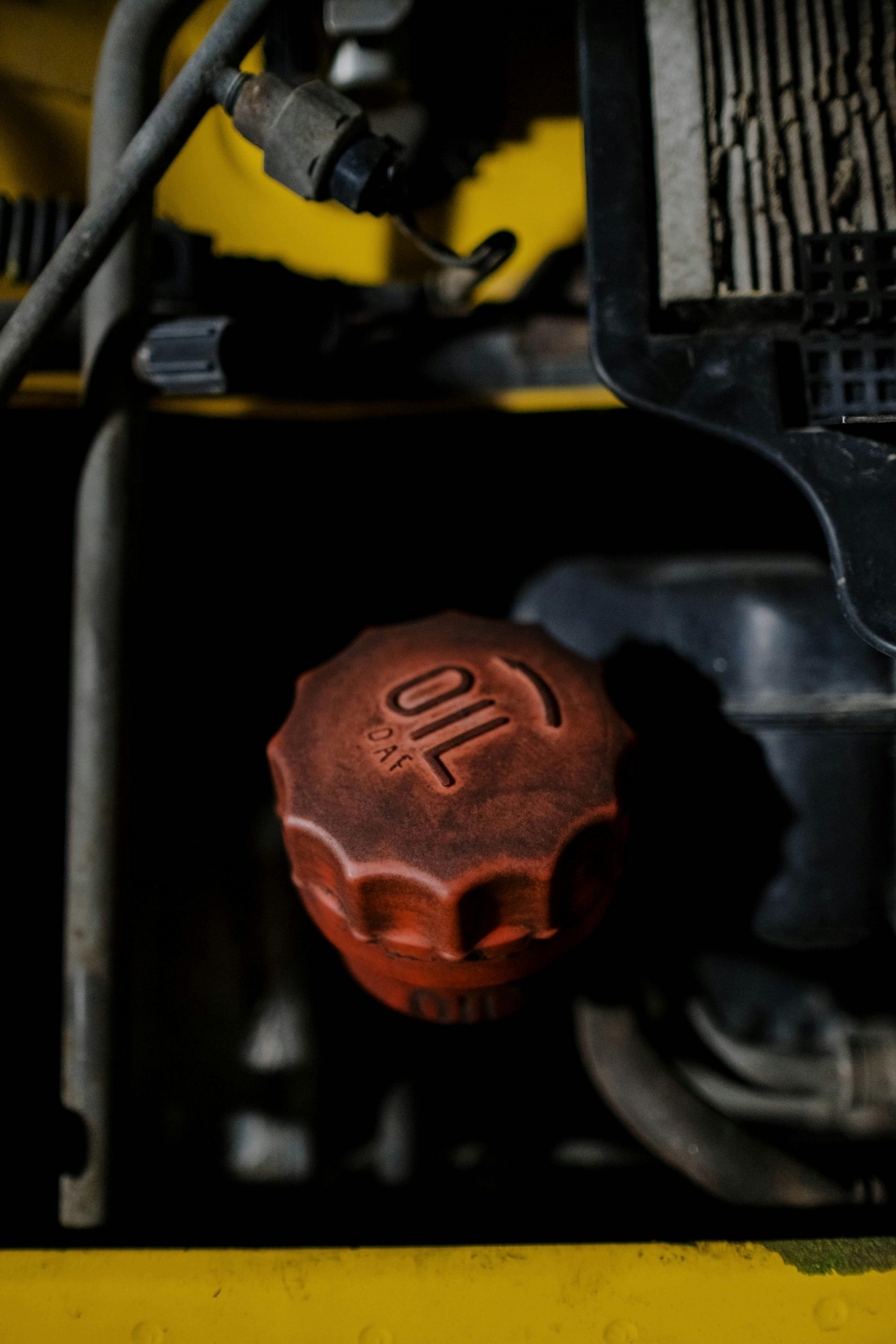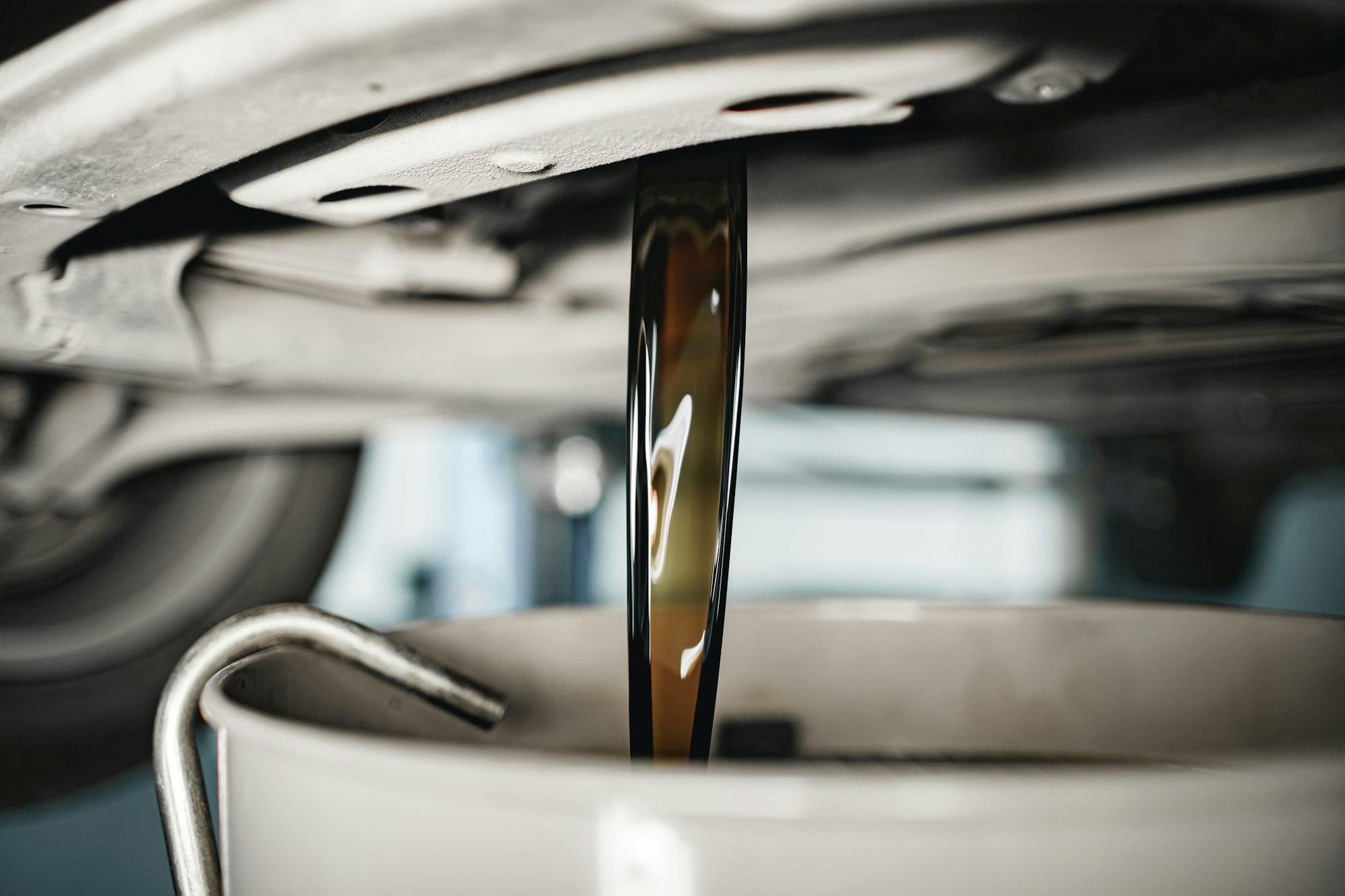
Taking care of your diesel engine starts with one simple habit—changing the oil on time.
But with synthetic oil, you might wonder how often it really needs to be changed. Some people say every 3,000 miles, others say 15,000 miles. So, who’s right?
Let’s clear the air.
In this article, you’ll get expert advice on how often to change synthetic oil in diesel engines, based on your driving style, vehicle type, and environment.
It’s written for everyday drivers, using simple language and real-world examples. Ready to protect your diesel engine the smart way? Let’s dive in.
Why Synthetic Oil Is Different
Synthetic oil isn’t just a cleaner version of regular oil—it’s a scientific upgrade. Unlike conventional oil, which is refined from crude oil, synthetic oil is chemically engineered for maximum performance.
Here’s why it matters:
- Better Engine Protection: Synthetic oil keeps metal parts slippery and protected, even in extreme heat or cold.
- Longer Lasting: It doesn’t break down as quickly, meaning it can go more miles between oil changes.
- Cleaner Running: Synthetic oil collects fewer engine deposits and sludge.
- Improved Fuel Efficiency: Your engine runs more smoothly, which can slightly boost MPG.
Because of these benefits, many car makers recommend synthetic oil, especially for modern diesel trucks, vans, and work vehicles.
How Often Should You Change It? (The Expert Rule)
So here’s the golden range:
👉 Every 7,500 to 10,000 miles for most diesel engines using synthetic oil.
This range is a safe bet for most drivers. But you should adjust it based on your specific driving conditions, which we’ll get into next.
It’s important to understand that this range isn’t set in stone. If your diesel truck pulls heavy trailers daily, you’ll need more frequent changes than someone driving on quiet highways.
Your Driving Habits Matter
How you drive affects your engine more than most people think.
🔄 City Driving (Stop-and-Go)
If you drive mostly in the city with lots of starts and stops, your engine works harder—and the oil wears out faster. Frequent short trips don’t let the engine get hot enough to burn off moisture and fuel vapors, which can cause sludge.
🛢 Recommended Change: Every 6,000–7,500 miles
🛣 Highway Driving (Long & Steady)
Driving long distances at steady speeds is much easier on your engine and oil. This is why long-haul trucks often have longer oil change intervals.
🛢 Recommended Change: Up to 10,000–12,000 miles (depending on conditions and oil brand)
🛻 Heavy Loads & Towing
If your diesel engine pulls trailers, hauls construction materials, or tows boats, it works harder and gets hotter. This puts more strain on the oil.
🛢 Recommended Change: Every 5,000–7,000 miles
Your Diesel Engine Type Also Counts
Every diesel engine is a little different. Some are built for light-duty pickups. Others power commercial fleets. Some are brand new, while others have seen over 200,000 miles.
🆕 Newer Diesel Engines
Modern engines like the Duramax, Cummins, or Power Stroke have improved fuel systems and sensors that work great with synthetic oil. Some of them have oil life monitors that tell you exactly when to change your oil.
🛢 Recommended Change: Up to 10,000–15,000 miles under light conditions (always check your owner’s manual)
🧓 Older Diesel Engines
Engines built before the 2000s may not be designed for extended synthetic oil use. They may burn more oil or collect sludge faster.
🛢 Recommended Change: Every 5,000–6,000 miles is usually best
TIP: Always follow the manufacturer’s recommendation listed in your vehicle’s owner’s manual. If it says change every 7,500 miles with synthetic oil, stick to it.
The Environment You Drive In
Mother Nature also plays a big role in how often you should change your oil. Here’s how:
☀️ Hot Climates
Hot weather makes oil thin out faster. If your engine runs hot every day, synthetic oil will help—but still may need changing more often.
❄️ Cold Climates
Cold weather thickens oil and makes startup harder on the engine. Synthetic oil flows better in the cold, but short trips in winter can still be rough on it.
🛤 Dusty or Off-Road Conditions
Driving on dirt roads or in construction zones lets more dust and dirt get into your engine. Even with synthetic oil, dirt particles speed up oil breakdown.
🛢 Recommended Change in Harsh Conditions: Every 5,000–7,000 miles
Signs It’s Time to Change Your Oil
Even if you’re tracking your miles, your engine may still give you hints that the oil is wearing out.
Look out for:
🔧 Oil looks dark and dirty on the dipstick
🔊 Engine sounds louder than usual
🚨 Oil light turns on
🐌 Loss of power or slow performance
🔥 Burning smell from the engine
When in doubt, check your oil level and condition. It takes 30 seconds and can save you a ton of money on engine repairs later.
Create a Simple Oil Change Schedule
You don’t need to be a mechanic to keep your diesel engine healthy. Just stick to a simple routine:
✅ Normal Use: Every 10,000 miles
✅ Heavy Towing or Harsh Weather: Every 6,000–7,500 miles
✅ Older Engines: Every 5,000–6,000 miles
Don’t forget to change the oil filter every time too. Dirty filters can clog and reduce oil flow, which defeats the purpose of using high-quality synthetic oil.
Set a calendar reminder or use an app to track your oil changes. You can even write it on a sticker in your windshield like many shops do.
Use an Oil Life Monitor or Ask a Mechanic
If your truck or SUV has a built-in oil life monitor, don’t ignore it! It’s smarter than guessing, and it uses real driving data like engine temperature and RPMs to tell you when it’s time.
Still unsure? Ask your mechanic or get an oil analysis. Some shops will test your oil for wear and debris to see if it’s still good. It’s a great way to know if your change schedule is right.
Final Thoughts: Keep It Clean, Keep It Strong
Your diesel engine is powerful—but it also needs care. Using synthetic oil is a smart move for protection and performance, but the key is to change it at the right time.
Stick to the 7,500–10,000 mile rule for most cases, but adjust based on how and where you drive. If in doubt, check your oil, trust your owner’s manual, or ask a trusted mechanic.
Taking a few minutes to stay on schedule will help your diesel engine run stronger, cleaner, and longer.